CCNA 200-301 Tutorials and Study Guide
Introduction
In the rapidly evolving world of Information Technology, the Cisco Certified Network Associate (CCNA) credential remains the gold standard for foundational networking knowledge. Whether you are an aspiring network engineer, a systems administrator, or a cloud architect, passing the CCNA 200-301 exam is a critical milestone that validates your skills to employers globally.
However, mastering the modern CCNA syllabus requires a structured approach. A comprehensive CCNA 200-301 tutorial and study guide acts as your blueprint, breaking down dense technical concepts into manageable learning modules.
Core Pillars of the CCNA 200-301 Exam
To build a bulletproof study plan, you must align your learning resources with the official exam domains outlined by Cisco. A well-rounded tutorial series covers six key pillars:
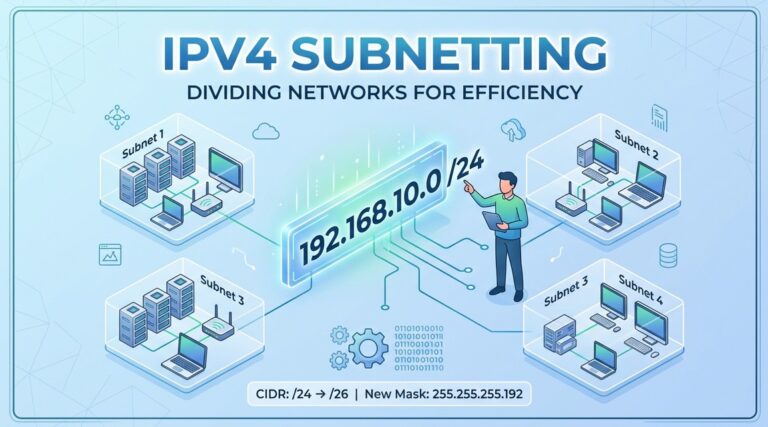
- Network Fundamentals (20%): This is where your journey begins. Tutorials focus on the OSI and TCP/IP models, cabling types, and the vital art of IPv4 and IPv6 addressing and subnetting.
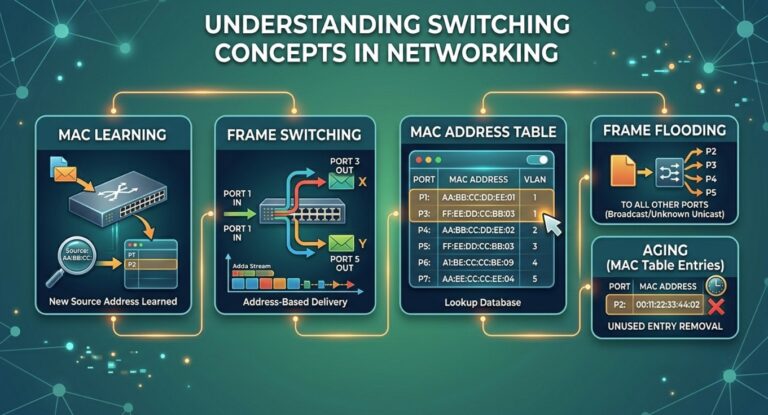
- Network Access (20%): You will transition from theoretical concepts to practical infrastructure. Study guides detailed here explain how to configure Virtual Local Area Networks (VLANs), manage inter-switch connectivity, and understand wireless architectures.
- IP Connectivity (25%): Making up the largest portion of the exam, this module requires a deep dive into routing mechanics. Tutorials teach you how a router makes forwarding decisions using static routing and single-area OSPFv2.
- IP Services (10%): This section covers crucial network-support features. You will explore the inner workings of Network Address Translation (NAT), Dynamic Host Configuration Protocol (DHCP), and Quality of Service (QoS) mechanisms.
- Security Fundamentals (15%): Modern networking requires strict protection. Study materials detail access control lists (ACLs), device hardening, wireless security, and mitigating Layer 2 threats.
- Automation and Programmability (10%): Reflecting the shift toward software-defined networking, this pillar introduces controller-based architectures, REST APIs, and configuration management tools like JSON.
Structuring Your Study Guide Strategy
Simply reading a textbook is rarely enough to pass. Successful candidates combine theoretical tutorials with active learning methodologies:
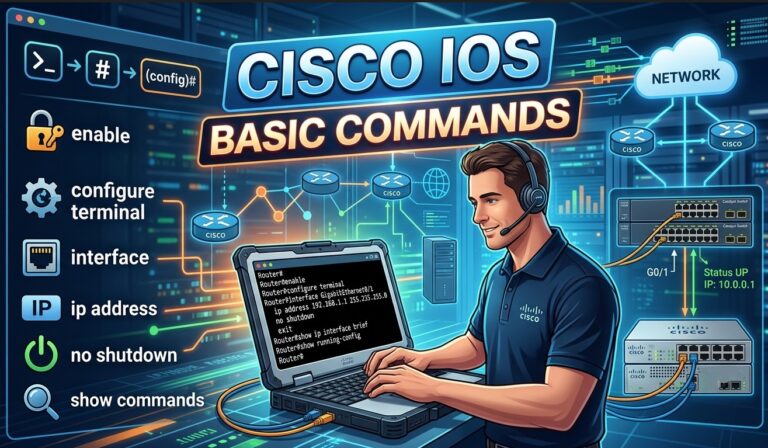
- Incorporate Hands-On Labs: Theoretical knowledge falls flat without execution. Utilize emulation tools like Cisco Packet Tracer or GNS3 to practice basic Cisco IOS commands. Safely building topologies, bringing up interfaces (
no shutdown), and configuring routing protocols will solidify the concepts. - Leverage Comprehensive Cheat Sheets: Keep a summary table of commands and default administrative distances handy for quick, daily review sessions.
- Utilize Practice Exams: Regular mock testing helps gauge your weak spots. Dedicate time to understanding why an option is incorrect rather than just memorizing answers.
Final Thoughts
Preparing for the CCNA 200-301 is a marathon, typically requiring two to three months of consistent daily effort. By following a structured tutorial series that balances deep theory with aggressive hands-on lab practice, you will not only secure your certification but also acquire the real-world engineering troubleshooting skills needed to excel in your technical interviews and land your dream IT role.
For a deeper structural walkthrough, the Cisco Certified Network Associate (CCNA 200-301) Training video provides excellent step-by-step guidance on network protocols, subnetting, and foundational cloud environments to help jumpstart your study roadmap.